ABOUT THE SYMPOSIUM
More than three decades of research on understanding, isolating and characterizing stem cells led to the development of this powerful technology. In recent years stem cell technology has been employed to generate specific cell types like cardiomyocytes, nephrons, neurons, oligodendrocytes and astrocytes etc for research and biotechnological applications. In addition, several clinical trials based on stem cells have started to treat patients suffering from various diseases. This EORM Symposium aims to connect researchers studying the stem cells for their application in research and the clinics. We envision a truly interdisciplinary meeting with presentations on various types of stem cells and their therapeutic applications.
About EORM Courses and Symposium
EORM Courses and Symposium are selected for their excellent scientific quality and timelines, provision of good networking activities for all participants and speaker gender diversity (at least 40% of speakers must be from the underrepresented gender).
Organisers are encouraged to implement measures to make the meeting environmentally more sustainable.
Speakers


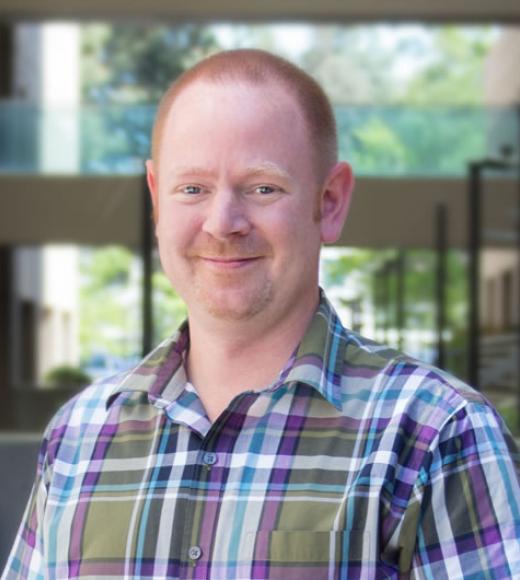
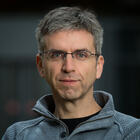
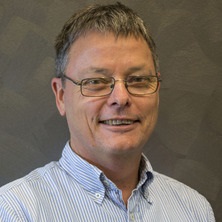
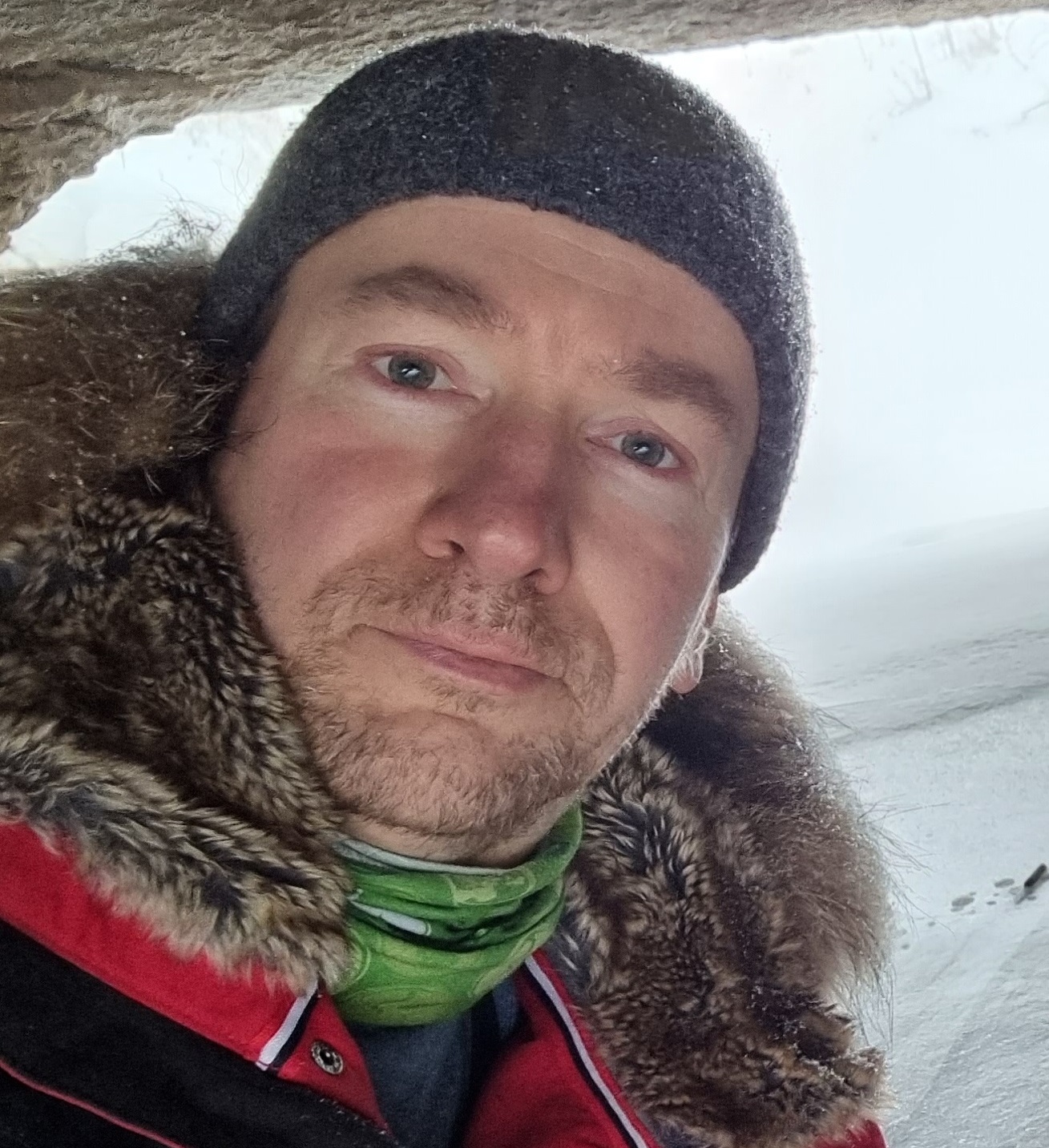
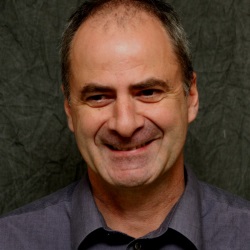
Professor Dr. Helmut KettenmannMax Delbruck Center Germany, Telethon Institute of Genetics and Medicine (TIGEM), IT


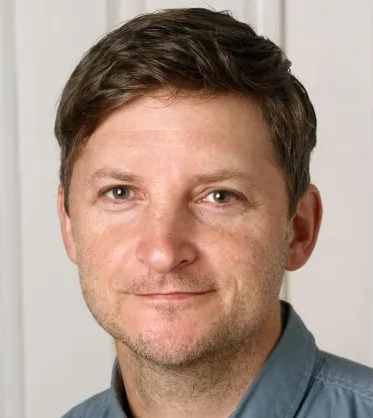
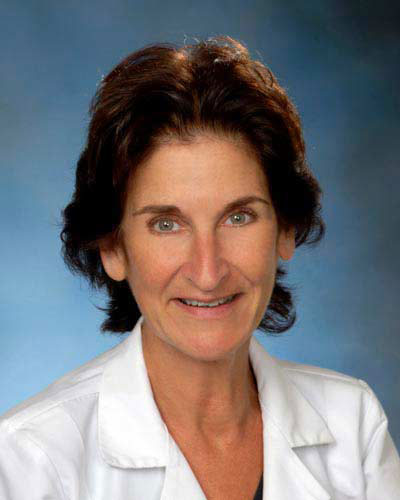


Programme
Session I: Evolution of bacteria defense: CRISPR-Cas and beyond
08:00-09:00
Registration and poster set up
09:00-09:15
Opening of the workshop by Organizers
09:15-09:40
CRISPR vs. CRISPR
Francisco Mojica
09:40-10:05
Coevolution between bacterial CRISPR-Cas systems and their bacteriophage
Stineke Van Houte
10:05-10:30
CRISPR on the move: mechanistic insights into type V CRISPR-associated transposons
Irma Querques
10:30-10:45
Selected talk from abstract
10:45-11:15
Coffee break
11:15-11:40
Molecular innovation at the interface between CRISPR-Cas systems and transposable elements
Sam Sternberg
11:40-12:05
Beyond CRISPR-Cas: Transposon-associated RNA-programmable TnpB nucleases
Manuela Baccarini
12:05-12:20
Selected talk from the abstract
12:20-12.35
Flash talks A
12.35-14.05
Lunch and poster set up
Session II: Novel CRISPR-Cas tools: More than double strand breaks
14:05-14:30
Epigenetic editing
Angelo Lombardo
14:30-14:55
Base Editing and Prime Editing: Precision Therapeutic Gene Correction in Cells, Animals, and Patients
David R. Liu (on line)
14:55-15:20
TBA
Cecilia Cotta-Ramusino
15:20-15:35
Selected talk from abstract
15:35-15:50
Selected talk from abstract
15:50-16:20
Coffee break
16:20-16:45
Engineering CRISPR editors for heart cells
Julian Grünewald
16:45-17:10
Expanding the CRISPR toolbox from natural reservoir
Anna Cereseto
17:10-17:25
Selected talk from abstract
17:30-19.00
Poster Session A
Poster Session A
19:00-21:00
Welcome Cocktail
Session III: DNA repair
09:00-09:25
Analysis of recombination hotspots in mouse germlines.
Maria Jasin
09:25-09:50
Mechanistic insights to advance hematopoietic stem cell based gene therapies
Raffaella Di Micco
09:50-10:05
Selected talk from abstract
10:05-10:35
Coffee break
10:35-11:00
Better genome editing by listening to the cells
Jacob E. Corn
11:00-11:25
Harnessing DSB repair to promote efficient homology-dependent and -independent prime editing
Marcello Maresca
11:25-11:40
Selected talk from abstract
11:40-11:55
Selected talk from abstract
11.55-12.20
Flash Talks B
12.20-14:00
Meet the speakers lunch
Session IV: Therapeutic development and clinical applications
14:00-14:25
Mobilization-based chemotherapy-free engraftment of gene-edited human hematopoietic stem cells.
Luigi Naldini
14:25-14:50
Gene editing toolbox to correct hematopoietic cells from Fanconi anemia patients
Patrik Brundin
14:50-15:15
Realizing the Promise of CRISPR Therapies: In Vivo Knockout and Insertion Programs
Laura Sepp-Lorenzino
15:15-15:45
Coffee break
15:45-16:10
In vivo prime editing of a metabolic liver disease in mice
Wenbin Deng
16:10-16:35
First in human gene editing trial
Selim Corbacioglu
16:35-17:00
TBA
Annarita Miccio
17:00-17:15
Selected talk from abstract
17:15-17:30
Selected talk from abstract
Poster Session B
17.30-19:00
Poster Session B
19:00-20:30
Dinner on your own
Session V: CRISPR as tool in functional genomics and screenings
09:00-09:25
Mapping the genetic landscape of DNA double-strand break repair
Britt Adamsom
09:25-09:50
Identification and functional characterization in vitro and in vivo of ancestral CRISPR Cas systems
Lluis Montoliu
09:50-10:05
Selected talk from abstract
10:05-10:35
Coffee break
10:35-11:00
New strategies for epigenetically silencing genes
Jonathan Weissman
11:00-11:25
RNA-targeting CRISPR-Cas screenings to understand early development of vertebrates
Anna Halk
11:25-11:50
Quantitative evaluation of chromosomal rearrangements in gene-edited human stem cells by CAST-Seq
Toni Cathomen
11:50-12:05
Selected talk from abstract
Poster Session A and B
12:05-13:00
Poster Session A and B
13:00-14:00
Lunch
Session VI: Delivery
14:00-14:25
TBA
Daniel Siegwart
14:25-14:50
AAV and a split prime editor correcting disease-causing mutations
Erik Sontheimer
14:50-15:15
Therapeutic homology-independent targeted integration in retina and liver
Alberto Auricchio
15:15-15:30
Selected talk from abstract
16:30-18:30
Group visit Reales Alcazares and free time to visit downtown
19:00-22:00
Gala dinner at Muelle 21
Registration
- Registration Deadline
- 5 October 2023
- Abstract Submission Deadline
- 5 October 2023
- Chosen Participants Will Be Notified By
- Payment Deadline
- 10 October 2023
- STUDENT/POSTDOCS EUR 450
- ACADEMIC EUR 550
- INDUSTRY EUR 950
a) Meeting is limited to 200 participants (including invited speakers).
b) Abstract submission and poster presentation are encouraged
c) Registration will be stopped on 5th October or earlier if all slots are covered.
d) Payment is required in order to validate this registration.
Registration includes:
- Participation in the scientific event
- Conference Materials
- Meals (except dinner of the second night)
Excluding accommodation
Payment
The registration fee should be paid no later than October 10th
Selection criteria
Participants will be accepted by registration order.
Oral presentations and flash talks will be selected from submitted abstracts and a number of slots will be reserved for early career researchers. All selected participants will give their presentations in the form of posters.
Abstract guidelines
The abstract limit is 250 words.
Poster specifications
The poster size should be 1 m x 1.5 m (length x height) or A0 portrait. Specific time slots will be assigned for each participant to be present in person with his/her poster for direct scientific interaction.
Travel grants and registration fee waivers
Travel grants and registration fee waivers are available for participants.
Selection of awardees is handled directly by the organizers. EORM travel grants and registration fee waivers are allocated on the basis of the quality of the submitted abstract.
Applicants do not need to apply separately for these but should indicate on the registration form if they wish to be considered.
Additional travel grants are available for EMBC Associate Member States Chile, India, Singapore and Taiwan.
Special travel grants and registration fee waivers
A limited number of travel grants and registration fee waivers are availablefor scientists working in Croatia, Czech Republic, Estonia, Greece, Hungary, Italy, Lithuania, Luxembourg, Poland, Slovenia and Turkey. Grants are allocated on the basis of the quality of the submitted abstract.
A maximum of 700 Euros per participant are available to cover registration fees, travel, and accommodation (no additional subsistence costs can be covered). To apply, please indicate the itemized amount requested in the travel grants section of the registration form.
Child care grants
EORM Courses and Symposium offers grants to offset additional childcare costs incurred by participants or speakers when participating at any EORM Courses and Workshop funded meeting. Eligible costs include fees for a caregiver or child-care facility, travel costs for a caregiver, or travel costs for taking the child to the meeting etc. Please indicate on the registration form whether you would like to be considered for the grant. Please also describe how you intend to use the childcare grant and specify the sum that you will need.
Code of conduct
Anti-harassment and non-discrimination policy
At EORM, we believe that harassment and discriminatory behaviour are unacceptable in any setting. EORM's code of conduct is applicable for all participants of this EORM meeting and can be found here.
Contact
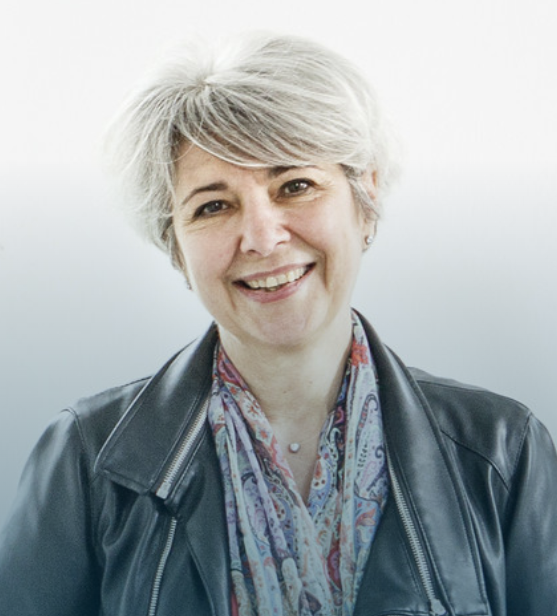
Manuela Baccarini
Email: mbaccarini@EORM.eu
registration@EORM.eu
enquiry@EORM.eu
Organizer
Co-Organizers

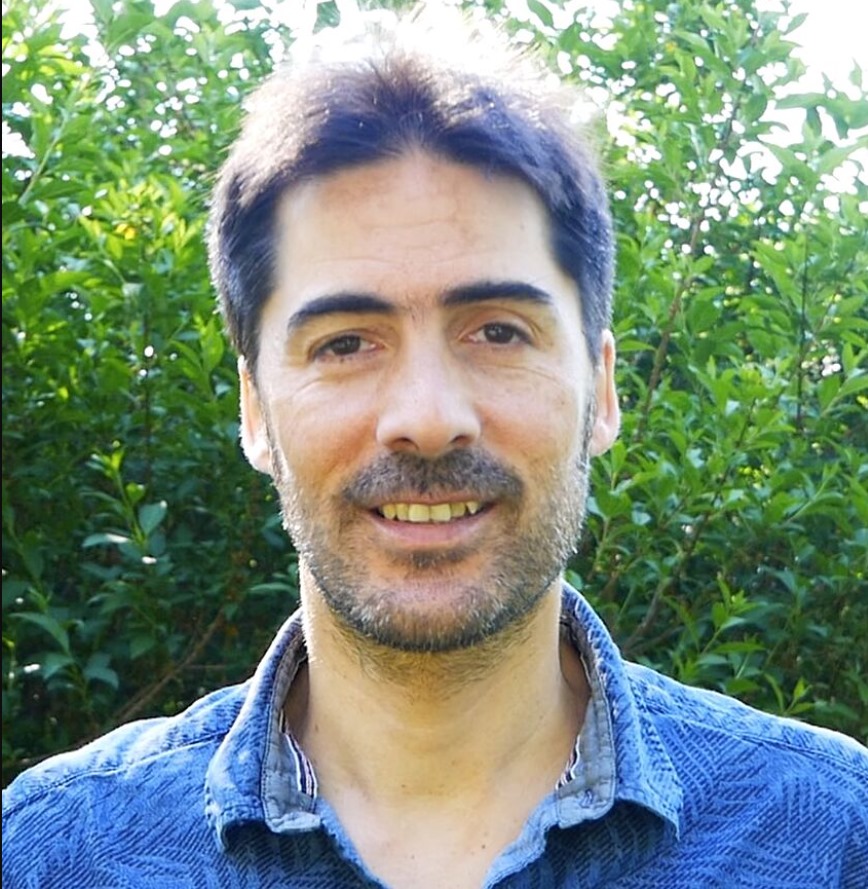
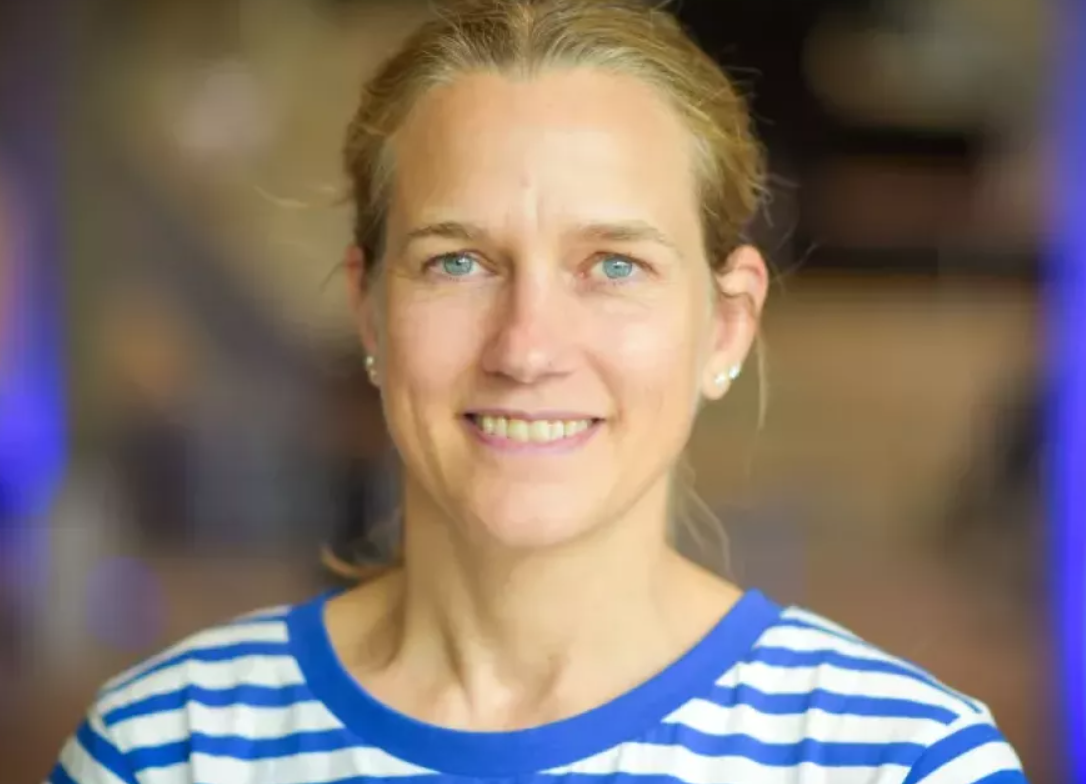
Anna Halk ahalk@EORM.eu Center for Advanced Therapy Medicinal Products (LU-ATMP), Lund University, Lund, Sweden

Venue
University of Vienna
Biology Building (UBB) Djerassiplatz 1 1030
Vienna, Austria
Accommodation
Accommodations are not included in the registration fees and a list of suggested hotels will be provided
Transport
The journey time between Vienna International Airport and University of Vienna is around 37 min and covers a distance of around 24 km. This includes an average layover time of around 3 min. University of Vienna is accessible by buses or taxis from an international airport. Operated by Austrian Railways (ÖBB) and Wiener Linien, the Vienna International Airport to University of Vienna service departs from Flughafen Wien and arrives in University of Vienna. Typically 428 services run weekly, although weekend and holiday schedules can vary so check in advance.
About the Area
Change area location according to Austria







.jpg)